FREE SHIPPING 🚚 ORDERS OVER $84


















THCA vs THC Flower: Understanding the Difference and Popular THCA Flower Strains

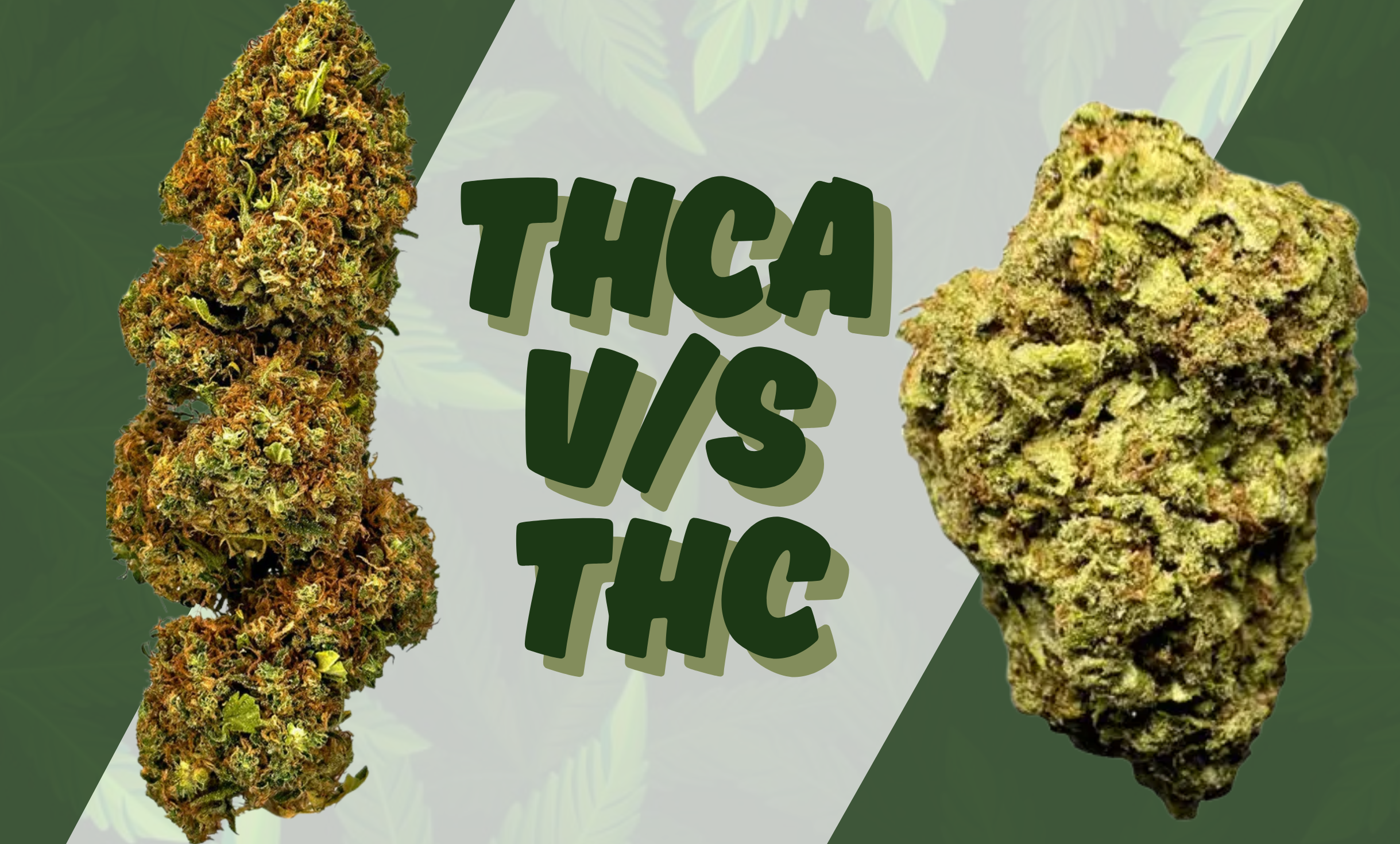
As interest in cannabis and hemp products continues to grow, one comparison dominates online searches and consumer conversations: THCA vs THC flower. While these two compounds come from the same cannabis plant, their effects, legality, and use cases differ significantly. Understanding these differences is essential for consumers, retailers, and anyone exploring THCA flower for wellness or recreational purposes.
This in-depth guide explains everything you need to know about THCA flower versus THC flower, including legality, cultivation for hemp compliance, shipping risks, effects on the body, psychoactive properties, and the potency and benefits of THCA flower.
What Is THCA Flower?
THCA (tetrahydrocannabinolic acid) is the naturally occurring cannabinoid found in raw, unheated cannabis flower. In fresh cannabis plants, THC is present only in trace amounts. Instead, the plant produces THCA as its primary cannabinoid.
THCA flower looks identical to traditional cannabis flower. It features dense buds, visible trichomes, strong aromas, and high cannabinoid percentages. The difference is chemical, not visual.
In its raw form, THCA is non-psychoactive, meaning it does not produce the intoxicating “high” associated with THC. This is because THCA does not effectively bind to CB1 receptors in the brain.
What Is THC Flower?
THC flower refers to cannabis flower after THCA has been converted into Delta-9 THC, the psychoactive compound responsible for euphoria and impairment. This conversion happens through a process called decarboxylation, which occurs when cannabis is exposed to heat.
Smoking, vaping, or cooking cannabis flower instantly transforms THCA into THC. As a result, most traditional cannabis experiences begin with THCA and only become psychoactive once heat is applied.
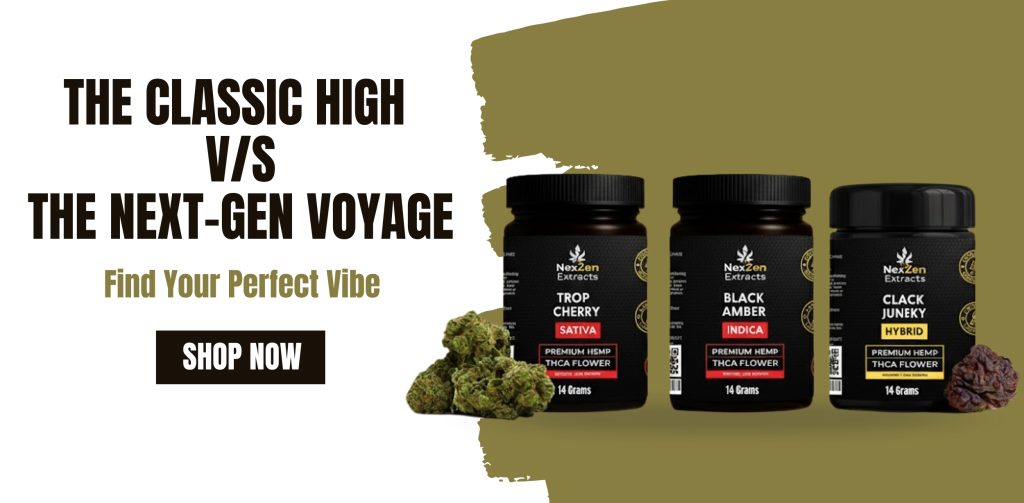
Nexzen Extracts Premium THCA Flower Strains
Sex Panther THCA Flower
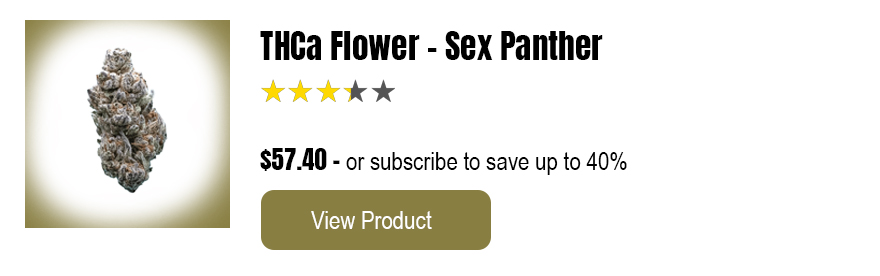
Sex Panther THCA flower is a sativa-leaning strain known for its bold aroma and energetic profile.
Key features:
-
High THCA potency
-
Pungent, sharp terpene profile
-
Dense, resin-heavy buds
When unheated, Sex Panther THCA flower is often associated with clarity and daytime balance. Once heated, it delivers a strong cerebral THC experience—uplifting, social, and motivating.
This strain is ideal for:
-
Creative focus
-
Social settings
-
Daytime use
Snowcap Godfather OG THCA Flower
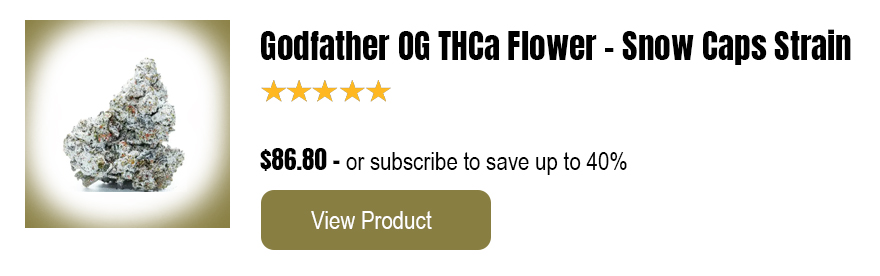
Snowcap Godfather OG THCA flower blends the frosty trichomes of Snowcap genetics with the deep relaxation of Godfather OG.
Key features:
-
Extremely heavy trichome coverage
-
Earthy, classic OG aroma
-
High THCA concentration
In raw form, this strain may promote physical calm. When activated, it becomes a powerful THC flower known for deep body relaxation, stress relief, and nighttime use.
Best for:
-
Evening sessions
-
Stress management
-
Experienced users
Gelato 45 THCA Flower
Gelato 45 THCA flower is a balanced hybrid prized for its smooth effects and dessert-like aroma.
Key features:
-
Sweet, creamy terpene profile
-
Balanced hybrid genetics
-
Dense, colorful buds
Unheated, Gelato 45 may offer mild relaxation without heaviness. Once heated, it delivers a well-rounded THC experience—uplifting yet calming, making it one of the most versatile strains.
Perfect for:
-
Any time of day
-
Beginners and experienced users
-
Smooth, controlled sessions
Choosing Between THCA and THC Flower
Choose THCA flower if you:
-
Want non-psychoactive options
-
Prefer control over activation
-
Are interested in wellness-focused cannabis
Choose THC flower if you:
-
Want immediate euphoric effects
-
Use cannabis for relaxation or sleep
-
Prefer traditional cannabis experiences
Remember: THCA flower becomes THC flower once heated.
THCA vs THC Flower: The Core Difference
The key distinction between THCA flower and THC flower is activation.
-
Unheated THCA flower remains non-intoxicating
-
Heated THCA flower behaves exactly like THC flower
This gives THCA flower a unique advantage: flexibility. Consumers can decide whether they want to experience non-psychoactive effects or traditional THC effects based entirely on how the flower is used.
Legality of THCA Flower
Legality is one of the most important reasons THCA flower has gained widespread attention. In many jurisdictions, hemp-derived products are legal as long as the concentration of Delta-9 THC remains below a specific limit.
Because THCA itself is not Delta-9 THC, flower with high THCA content but low Delta-9 THC may legally qualify as hemp in certain regions. This has allowed THCA flower to be sold in areas where traditional THC flower remains restricted.
However, legality is not universal:
-
Some regions calculate “total THC,” which includes potential THC after heating
-
Some states regulate THCA flower similarly to marijuana
-
Once THCA flower is heated, it converts into THC, which may change its legal status
For this reason, consumers and sellers must always check local regulations and understand how their jurisdiction defines THC.
Cultivation and Harvesting for Hemp Compliance
Producing compliant THCA flower requires careful planning, genetics, and handling. Growers must follow strict cultivation practices to ensure the plant remains within legal limits.
First, genetics play a crucial role. Hemp strains are selectively bred to produce high levels of THCA while keeping Delta-9 THC extremely low.
Second, environmental control is essential. Light exposure, temperature, nutrients, and harvest timing all affect cannabinoid development. If plants mature too long or are stressed, THC levels may rise beyond legal thresholds.
Third, harvesting at the right time helps preserve THCA dominance. Early or precisely timed harvests prevent excess conversion to THC.
Finally, drying and curing must be performed at low temperatures. Excess heat during processing can trigger premature decarboxylation, converting THCA into THC and compromising compliance.
Laboratory testing is critical throughout this process to ensure cannabinoid levels remain within acceptable limits.
The Shipping Risk: How Heat Can Affect Legality
One of the biggest challenges with THCA flower is shipping and storage. Because THCA converts into THC when exposed to heat, high temperatures during transit can cause partial decarboxylation.
Potential shipping risks include:
-
Hot weather during transportation
-
Exposure to direct sunlight
-
Poor packaging that traps heat
If THCA flower is exposed to excessive heat, its Delta-9 THC content may rise, which can affect both legality and potency. This is why reputable sellers use temperature-resistant, airtight packaging and recommend storing flower in cool, dark environments.
Proper handling during shipping is essential to preserve product integrity and compliance.
Effects of THCA Flower vs THC Flower on the Body
Effects of THCA Flower (Unheated)
When consumed raw and unheated, THCA flower does not cause intoxication. Instead, it interacts gently with the body’s endocannabinoid system.
Users often report:
-
Mild physical relaxation
-
Anti-inflammatory support
-
Mental clarity without impairment
-
Nausea or appetite regulation
Because THCA does not strongly activate psychoactive receptors in the brain, these effects remain subtle and functional.
Effects of THC Flower (Heated THCA)
Once THCA flower is heated, it converts into THC and produces traditional cannabis effects. These may include:
-
Euphoria and mood elevation
-
Deep physical relaxation or sedation
-
Altered sensory perception
-
Increased appetite
The intensity depends on dosage, strain genetics, terpene profile, and individual tolerance.
Psychoactive Properties: What to Expect From Each
Understanding psychoactivity is critical when comparing THCA vs THC flower.
THCA flower (raw):
-
Not psychoactive
-
Does not impair thinking or coordination
-
Suitable for daytime or wellness-focused use
THC flower or heated THCA flower:
-
Psychoactive
-
Alters mood, perception, and cognition
-
May impair coordination or reaction time
Because THCA flower only becomes psychoactive when heated, users have greater control over their experience compared to traditional cannabis products.
Potency and Benefits of THCA Flower
THCA flower is often misunderstood as being “weak.” In reality, THCA flower can be extremely potent—but its potency depends on how it’s used.
Potency in Raw Form
In its raw state, THCA flower does not produce a high. Potency here refers to cannabinoid concentration and potential wellness effects rather than intoxication.
Benefits may include:
-
Non-intoxicating cannabinoid support
-
Anti-inflammatory properties
-
Body comfort without mental fog
Potency After Heating
Once heated, high-THCA flower can convert into high-potency THC flower. THCA percentages often range from 15% to 30% or higher, meaning activated flower can rival or exceed traditional cannabis in strength.
This dual potential makes THCA flower highly versatile:
-
Wellness use without heat
-
Recreational or therapeutic use with heat
Why THCA Flower Is Growing in Popularity
THCA flower appeals to a wide range of consumers because it offers:
-
Legal accessibility in many regions
-
Control over psychoactive effects
-
High potency potential
-
Traditional cannabis appearance and aroma
This combination makes THCA flower attractive to both wellness-focused users and experienced cannabis consumers.
Final Thoughts: THCA vs THC Flower Explained Clearly
THCA and THC are not opposites—they are part of the same process. THCA is the natural, raw form found in cannabis flower, while THC is the activated form responsible for intoxication.
THCA flower provides flexibility, allowing users to choose between non-psychoactive benefits and classic THC effects based on how the flower is consumed. When grown, harvested, stored, and used correctly, THCA flower can be both compliant and highly potent.
Understanding the difference between THCA vs THC flower empowers consumers to make informed decisions, avoid legal risks, and select products that align with their goals.