FREE SHIPPING 🚚 ORDERS OVER $84

















What Makes THCA Hemp Flower Different from Traditional Hemp?

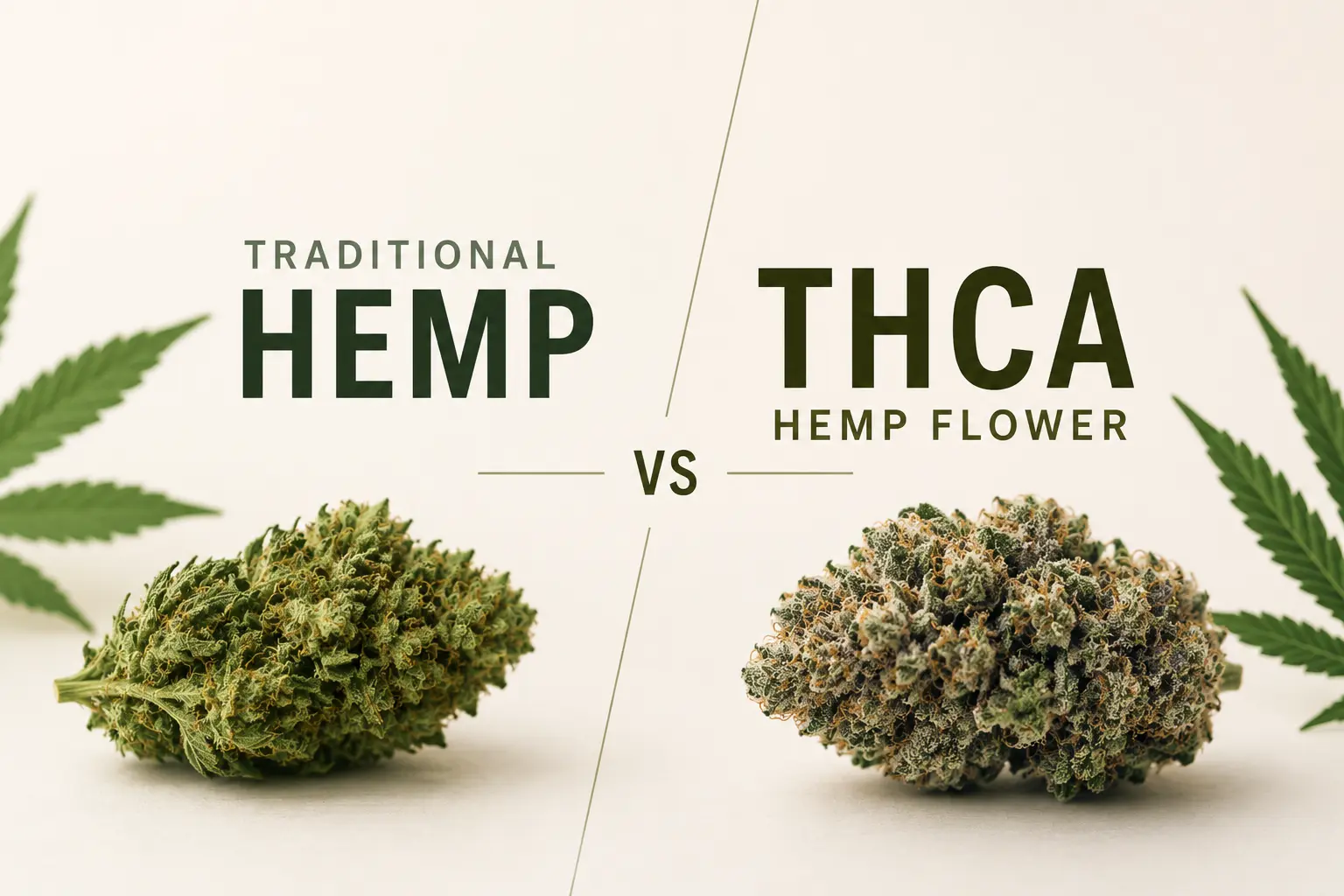
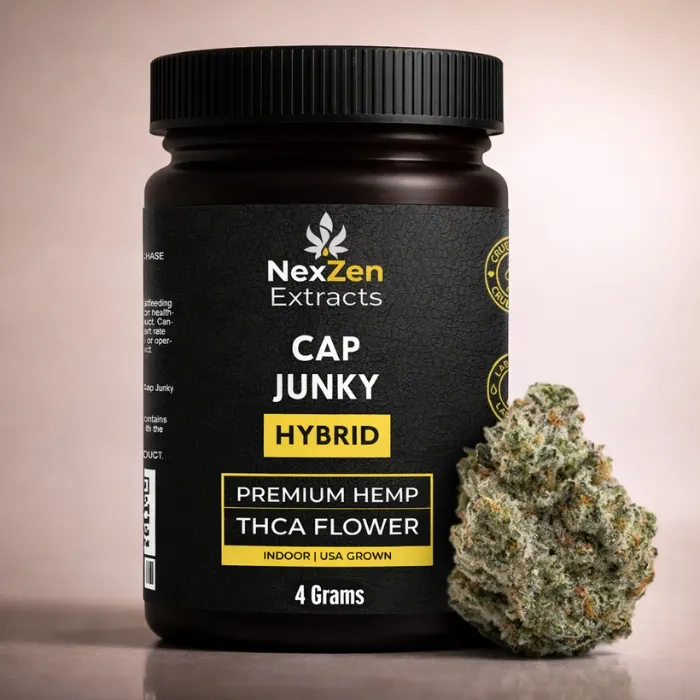
The hemp market has evolved rapidly over the last few years, introducing consumers to a wide variety of cannabinoid-rich products. Among the most talked-about options today is THCA hemp flower, a product that closely resembles traditional cannabis flower while remaining federally compliant under specific conditions.
If you’ve ever wondered why THCA hemp flower is generating so much buzz, you’re not alone. Many consumers are curious about how it differs from traditional hemp flower, whether it produces effects, and what makes it unique in the growing hemp industry.
In this guide, we’ll break down everything you need to know about THCA hemp flower, how it compares to traditional hemp, and why so many enthusiasts are making the switch.
What Is THCA Hemp Flower?
THCA hemp flower refers to hemp flower that contains high levels of tetrahydrocannabinolic acid (THCA), the natural precursor to THC.
In its raw form, THCA is a non-intoxicating cannabinoid found in cannabis plants. However, when exposed to heat through smoking, vaping, or cooking, THCA undergoes a process called decarboxylation. During this process, THCA converts into THC, the cannabinoid commonly associated with cannabis effects.
The result is a flower that looks, smells, and feels remarkably similar to traditional cannabis while still meeting hemp regulations before decarboxylation.
What Is a Traditional Hemp Flower?
Traditional hemp flower is typically cultivated for its high CBD content and naturally low THC levels.
Most CBD hemp flower varieties contain:
- High concentrations of CBD
- Trace amounts of THC
- Various minor cannabinoids
- Rich terpene profiles
Traditional hemp flower is commonly used by individuals seeking a non-intoxicating experience while still enjoying the natural compounds found in hemp.
Unlike THCA flower, CBD-rich hemp generally does not produce noticeable psychoactive effects when consumed.
The Main Difference Between THCA Hemp Flower and Traditional Hemp
While both products originate from the cannabis plant, the primary difference lies in their cannabinoid composition.
THCA Hemp Flower
- High levels of THCA
- Minimal CBD content
- Converts into THC when heated
- Often chosen by users seeking stronger effects
- Similar appearance and aroma to cannabis flower
Traditional Hemp Flower
- High levels of CBD
- Very low THC content
- Does not convert into intoxicating levels of THC
- Typically used for wellness-focused routines
- Generally produces mild or non-intoxicating effects
This cannabinoid difference significantly impacts the overall experience consumers may have with each product.
How Does THCA Become THC?
One of the most important concepts to understand is decarboxylation.
When THCA is exposed to sufficient heat, its chemical structure changes and it becomes THC.
Common methods that trigger decarboxylation include:
- Smoking
- Vaping
- Baking
- Cooking
As a result, THCA flower can provide a substantially different experience than traditional CBD hemp flower once heated.
Appearance: Can You Tell the Difference?
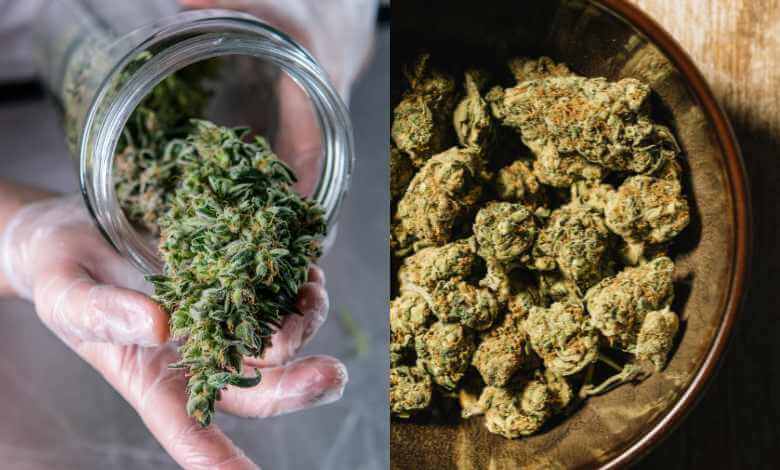
For many consumers, the answer is no.
High-quality THCA hemp flower and premium cannabis flower often look nearly identical.
Both may feature:
- Dense buds
- Vibrant colors
- Frosty trichomes
- Strong aromas
- Sticky resin production
Traditional CBD hemp flower can also be visually appealing, but THCA flower is often cultivated to closely resemble premium cannabis strains.
Without reviewing a laboratory analysis, it can be difficult to distinguish between the two simply by appearance.
Comparing Cannabinoid Profiles
Understanding cannabinoid content helps explain why these products deliver different experiences.
Typical THCA Flower Profile
- THCA: 15%–35%+
- CBD: Low levels
- Minor cannabinoids present
- Rich terpene concentrations
Typical Traditional Hemp Profile
- CBD: 10%–25%+
- THCA: Minimal levels
- Minor cannabinoids present
- Terpene-rich composition
Because cannabinoids interact differently within the body, these profiles can lead to distinctly different outcomes.
Effects of THCA Hemp Flower vs Traditional Hemp
The experience many users report often depends on the cannabinoid makeup of the flower.
THCA Hemp Flower
After heating, users commonly describe:
- Enhanced relaxation
- Elevated mood
- Stronger overall effects
- Full-spectrum cannabis-like experience
Traditional CBD Hemp Flower
Users frequently report:
- Mild relaxation
- Everyday wellness support
- Mental clarity
- Non-intoxicating effects
Individual experiences vary based on tolerance, product quality, and personal body chemistry.
Why Is THCA Flower Becoming So Popular?
The popularity of THCA flower continues to rise for several reasons.
Potent Cannabinoid Content
Consumers seeking stronger hemp-derived options often gravitate toward THCA-rich products.
Premium Genetics
Many THCA flower strains are cultivated using genetics known for exceptional aroma, appearance, and cannabinoid production.
Diverse Strain Selection
Today’s market offers a wide range of THCA flower varieties featuring unique terpene profiles and flavor experiences.
Enhanced Consumer Interest
As awareness grows around cannabinoids, more people are exploring alternatives beyond traditional CBD flower.
Is THCA Hemp Flower Legal?
Federal legality depends on several factors, including how hemp products are produced and tested.
Under the 2018 Farm Bill, hemp products containing no more than 0.3% Delta-9 THC on a dry-weight basis may qualify as hemp. However, state laws can differ significantly.
Because regulations continue to evolve, consumers should always review local laws before purchasing or using THCA products.
How to Choose High-Quality THCA Hemp Flower
Not all flower products are created equally.
When shopping for premium THCA flower, consider:
Third-Party Lab Testing
Certificates of Analysis (COAs) verify cannabinoid content and product quality.
Cultivation Standards
Look for flowers grown with careful environmental controls and quality-focused cultivation practices.
Freshness
Fresh flower typically offers better aroma, flavor, and terpene preservation.
Brand Transparency
Reputable brands provide detailed product information and testing documentation.
Why High-THCA Hemp Flower Can Be Produced Legally
Many consumers are surprised to learn that high-THCA hemp flower can be cultivated legally under federal hemp regulations. The key factor isn’t the amount of THCA present in the flower—it’s the concentration of Delta-9 THC at the time of testing.
Under federal hemp guidelines, growers can cultivate hemp as long as the harvested crop meets the legal requirement of containing no more than 0.3% Delta-9 THC on a dry-weight basis. To verify compliance, licensed producers submit their crops for third-party laboratory testing before harvest. These tests help confirm that the flower falls within the legal hemp threshold and can be sold through approved channels.
Timing Plays a Major Role
Producing premium THCA hemp flower requires careful cultivation and precise harvest timing. As hemp plants mature, cannabinoid levels continue to develop, and waiting too long can potentially impact compliance requirements.
Experienced growers monitor their crops closely throughout the cultivation process to determine the optimal harvest window. This attention to detail helps preserve cannabinoid content while ensuring the flower remains within applicable legal standards.
The Importance of Quality Testing
Reputable hemp brands prioritize transparency and product safety by providing access to third-party Certificates of Analysis (COAs). These reports verify cannabinoid content and help consumers make informed purchasing decisions.
At NexZen Extracts, we believe transparency matters. That’s why we focus on sourcing premium-quality THCA hemp flower backed by rigorous testing standards, giving customers confidence in the consistency, quality, and compliance of every product we offer.
Final Thoughts
THCA hemp flower and traditional hemp flower may come from the same plant family, but they offer distinctly different cannabinoid experiences.
Traditional hemp flower is generally associated with CBD-rich, non-intoxicating effects, while THCA hemp flower contains significant levels of THCA that convert into THC when heated.
As interest in cannabinoids continues to grow, consumers are increasingly exploring THCA flower for its unique properties, premium genetics, and versatile appeal.
Whether you’re new to hemp products or an experienced enthusiast, understanding these differences can help you choose the option that best aligns with your preferences and goals.
When quality matters, NexZen Extracts is committed to providing premium THCA flower products that meet the highest standards for consistency, transparency, and customer satisfaction.
Frequently Asked Questions
What Is THCA Hemp Flower?
THCA hemp flower is hemp that contains high levels of tetrahydrocannabinolic acid (THCA), a naturally occurring cannabinoid found in cannabis. In its raw form, THCA is non-intoxicating. However, when exposed to heat through smoking, vaping, or cooking, THCA converts into THC through a process called decarboxylation.
Does THCA Hemp Flower Get You High?
Raw THCA itself does not produce intoxicating effects. However, when THCA hemp flower is heated, the THCA converts into THC, which can produce effects similar to traditional cannabis. The overall experience depends on factors such as potency, consumption method, and individual tolerance.
What Is the Difference Between THCA Hemp Flower and CBD Hemp Flower?
The primary difference is their cannabinoid content. THCA hemp flower is rich in THCA, while traditional hemp flower is typically high in CBD. CBD flower is generally associated with non-intoxicating effects, whereas THCA flower can produce THC-like effects once heated.
Is THCA Hemp Flower Federally Legal?
Hemp-derived THCA flower may be federally compliant when it contains no more than 0.3% Delta-9 THC on a dry-weight basis. However, hemp and cannabinoid laws vary by state and continue to evolve, so consumers should always check their local regulations before purchasing or using THCA products.
Will THCA Flower Show Up on a Drug Test?
Yes. When THCA flower is smoked, vaped, or otherwise heated, it converts into THC. Most standard drug tests screen for THC metabolites, which means using THCA flower may result in a positive test. Individuals subject to drug testing should consider this before use.


